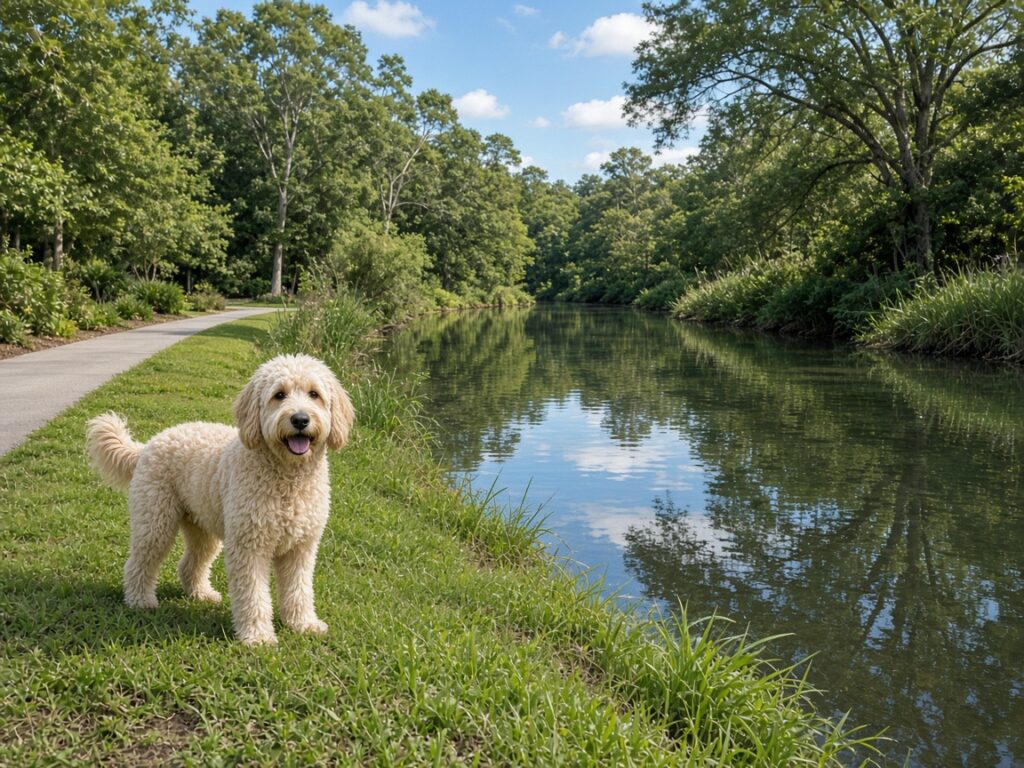
Most conversations about dog poop are about the yard: the smell, the grass, the shoes. But dog waste also has an environmental side that’s easy to miss because it happens out of sight, in storm drains, ditches, creeks, and bayous. This pointer explains what happens to dog waste left outdoors, why environmental agencies pay attention to it, and what responsible disposal looks like, without exaggerating the problem or pretending one person’s yard is to blame for everything.
What Happens to Dog Waste Left Outside
A pile left on the ground doesn’t just disappear. Over time it breaks down, but its parts go somewhere:
- Into the soil, where parasite eggs, like roundworm and hookworm, can remain. The CDC notes these can later reach people and pets.
- Onto paws, shoes, and mowers, which spread it around the yard and beyond.
- Into runoff when it rains, which is where the environmental story begins.
An EPA-distributed fact sheet puts it simply: pet waste “doesn’t just decompose.” It adds bacteria and nutrients to local waters when it isn’t disposed of properly.
Runoff: How Yard Waste Reaches the Water
When it rains, water runs off lawns, sidewalks, driveways, and streets, picking up whatever is on them. In most neighborhoods, that runoff flows into storm drains, which, unlike household sewer lines, generally aren’t designed to treat the water. The Houston-Galveston Area Council (H-GAC) explains that rainwater washes pet waste into storm drains that connect to our creeks and bayous.
The EPA’s stormwater guidance for communities calls pet waste “a leading source of nutrient and bacteria pollution in urban streams and waterways,” and notes that pet waste in waterbodies can make people and animals sick, promote weed and algae growth, and harm ecosystem health.
Bacteria and Other Pathogens
Dog waste can contain bacteria, viruses, and parasites. The EPA’s source water protection bulletin names pathogens such as Giardia, Cryptosporidium, Salmonella, and E. coli among those pet and wildlife waste can carry. It also cites watershed studies in the Seattle area where nearly 20 percent of the bacteria found in water samples were matched to dogs.
That figure comes from one region and shouldn’t be read as a Houston statistic. The broader point applies here too, though. In the Houston area, H-GAC runs a “Pet Waste Pollutes” outreach program, and Harris County has accepted pet waste stations from H-GAC for parks in the Cypress Creek and Spring Creek watersheds specifically to reduce bacterial pollution from pet waste.
Nutrient Pollution
Dog waste also contains nitrogen and phosphorus. The EPA explains that nutrient pollution happens when too much of these nutrients reach water, causing algae to grow faster than ecosystems can handle. Large algal blooms can reduce the oxygen fish and other aquatic life need, and some produce toxins. The EPA specifically lists pet waste, along with lawn fertilizer, as one of the household sources that can contribute when not properly disposed of.
H-GAC adds a local angle: as pet waste decomposes in creeks and bayous, it uses up oxygen that fish and other creatures need to stay healthy.
Keeping It in Perspective
Pet waste is one of many contributors to water pollution, alongside wastewater, agriculture, fertilizer runoff, wildlife, and more. No single yard is responsible for a polluted bayou, and picking up after your dog won’t fix a watershed on its own. Agencies focus on it because it’s one of the most common sources that ordinary people can control. As H-GAC puts it, it’s “something most of us can easily address as we go about our daily routine.”
Responsible Disposal
Environmental and health agencies agree on the basics:
- Pick it up promptly, in the yard and on walks. H-GAC recommends picking up as often as you can, especially if rain is in the forecast.
- Bag it and put it in the trash where local rules allow. The EPA’s bulletin and the CDC both describe bagging and trash disposal as an option. In Houston, the city code asks that pet feces go into containers wrapped separately and securely.
- Flushing is sometimes suggested. The EPA bulletin notes that pet waste not mixed with other materials can be flushed so it’s treated at a sewage plant or septic system. Check local guidance, and never flush bags or litter.
- Keep it out of gutters and storm drains. Never rinse or sweep waste into the street.
- Don’t add it to a regular compost pile. USDA guidance says composting dog waste takes careful, dedicated methods to destroy pathogens, and the result shouldn’t be used on food crops.
- Keep dogs from relieving themselves along stream banks and pond edges. The EPA recommends walking pets away from streams, ponds, and lakes.
A Note on “Eco-Friendly” Claims
You’ll see plenty of “eco-friendly” marketing around pet products and services. We’d rather be specific than make broad environmental claims. What we do is straightforward. On each visit, we pick up the pet waste in your yard so it isn’t left to wash toward storm drains. We bag it and place it in your household trash receptacle, where it goes out with your regular trash. (Wondering why we don’t haul it away ourselves? See why we don’t haul your pet waste away.)
Why It’s Part of Responsible Pet Ownership
Picking up after your dog protects your family’s yard and your neighbors’ enjoyment of theirs. It also protects the creeks, bayous, and bays everyone shares downstream. It’s one of the simplest ways dog owners can reduce their impact. For the health side, see why you shouldn’t leave dog poop in your yard. For how rain and heat change things through the year, see seasonal pet waste cleanup.
The Bottom Line
Dog waste left outdoors can carry bacteria and nutrients into storm drains and, from there, into local creeks and bayous. It isn’t the only source of water pollution, but it’s one that’s easy to control: pick it up promptly, bag it, put it in the trash, and keep it out of the street.
Keep Your Yard Picked Up, Rain or Shine
A regular schedule means waste doesn’t sit around waiting for the next storm. Heather’s Poop Scoop Service offers twice-weekly, weekly, and every-other-week service with no contract.
Sources & Further Reading
- EPA — Stormwater Best Management Practice: Pet Waste Management (PDF)
- EPA — Source Water Protection Practices Bulletin: Managing Pet and Wildlife Waste
- EPA Nonpoint Source Outreach Toolbox — “Do You Scoop the Poop?” Fact Sheet (PDF)
- EPA — Basic Information on Nutrient Pollution
- EPA — Nutrient Pollution: Sources and Solutions
- Houston-Galveston Area Council — Pet Waste Pollutes
- Harris County Commissioners Court — Acceptance of H-GAC pet waste stations
- CDC — How Toxocariasis Spreads
- USDA NRCS — Composting Dog Waste (PDF)